No car? No problem
I love to drive. It’s one of my favorite things to do. I started a countdown clock to my 16th birthday when I was 9. My love for cars and for driving is probably the most identifiably American thing about me.
I’ve been in Sydney for the better part of the last two years without a car. I’ve rented vehicles a few times, but between driving on the left and a true no-tolerance attitude toward speeding, driving here is … well, let’s just say it’s not what I’m used to.
So I get around by using public transportation. I have managed to live car-free and, even more oddly, have managed to actually enjoy it.
(If you have 4 minutes and 17 seconds to spare, come join me on my morning commute. It’s not unpleasant.)
I sense you’re not convinced. That’s OK.
To explain myself, I’ve set up a conversation between American Me and Temporary Australian Me to explain how public transport works in a city with a world-class public transportation system.
American RJ: Riding the bus sucks. Driving your own car rules!
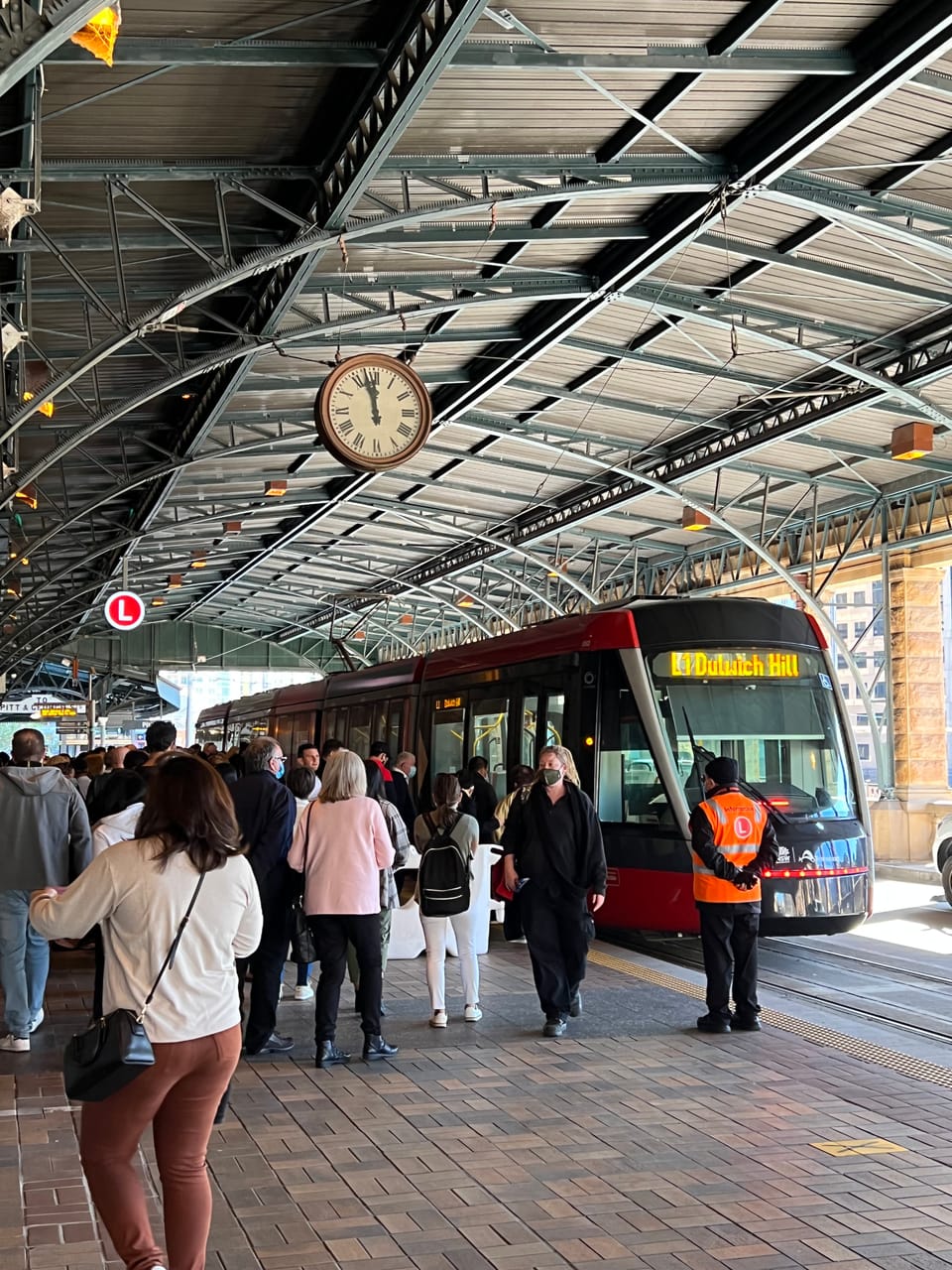
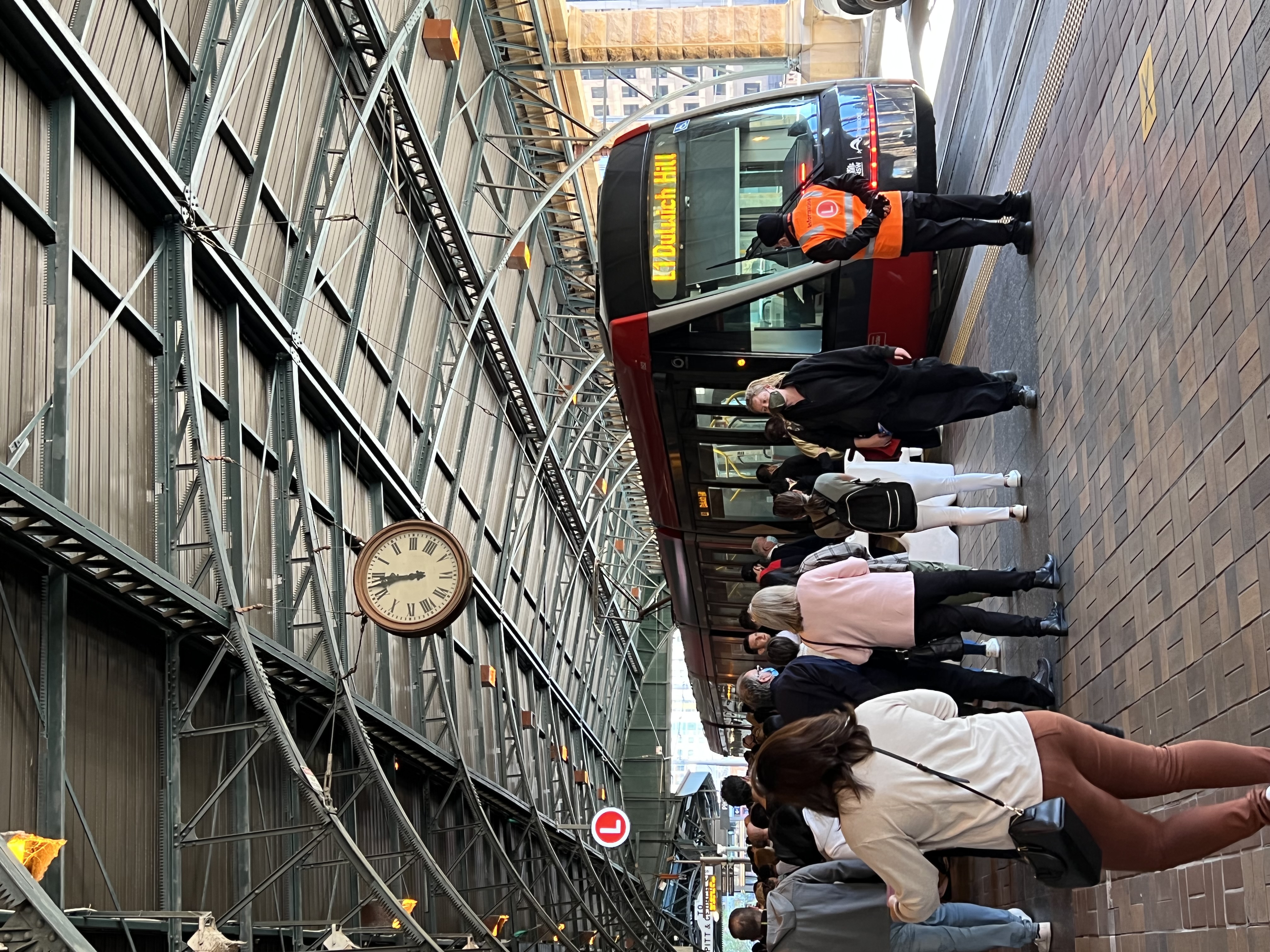
Australian RJ: Actually, it is possible for public transportation to be a superior option to driving your own car. In Sydney, there are multiple modes of public transport available — buses, trains, light rail, ferries. An underground Metro is opening soon to provide yet another option. The vehicles are clean, well-maintained, and run generally on time. My current commute to my office is a beautiful five-minute ferry ride across Sydney Harbour, and it is always the best part of my day.
American RJ: Yeah, but when I’m in my own car, I get to decide when I leave and when I get there. Public transportation has to stick to a schedule, and what if that schedule is different from yours?
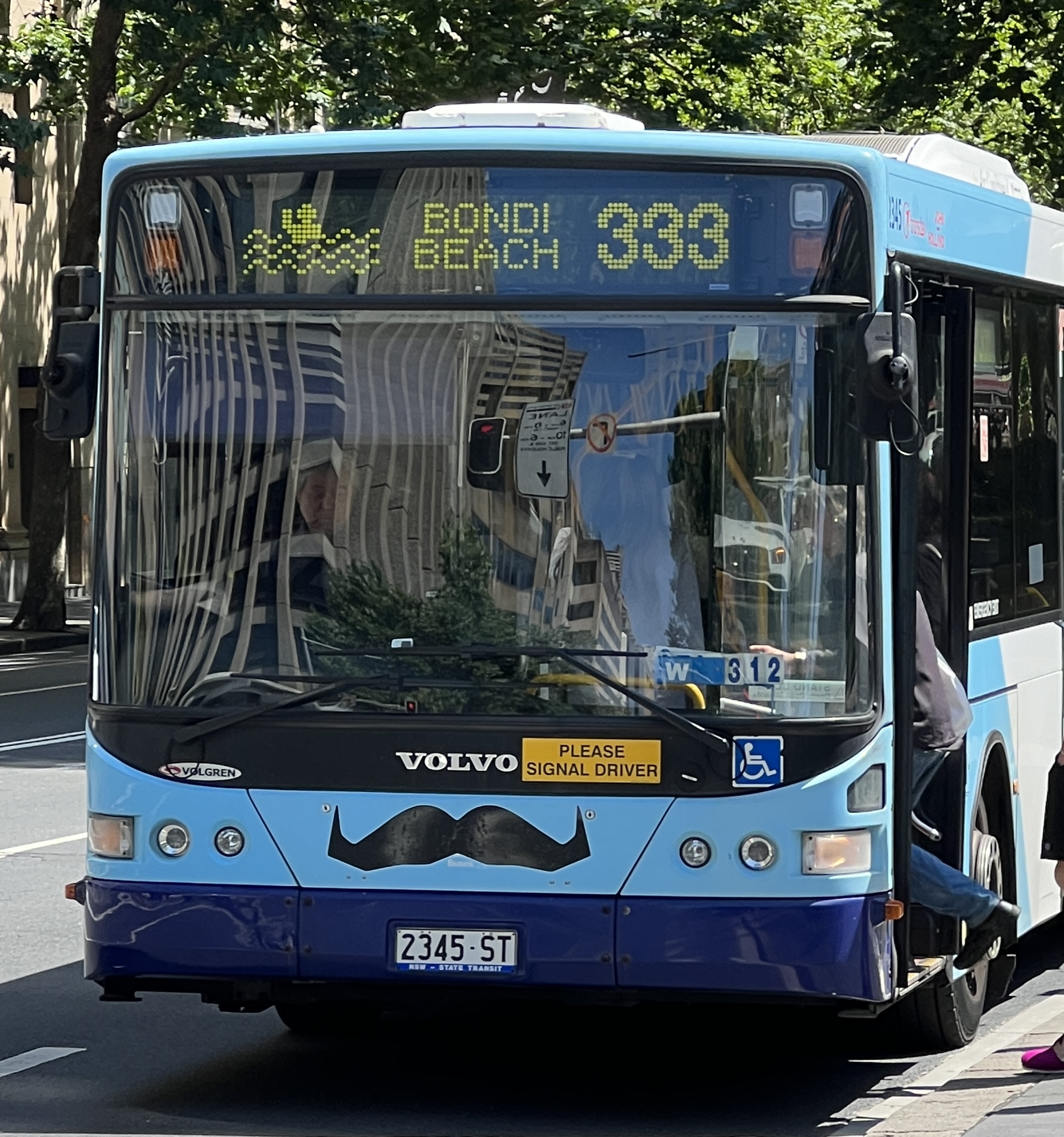
Australian RJ: I’ll answer that by asking: Remember, American RJ, when you lived in Dallas and you “got to decide to leave” 90 minutes earlier than you should have in order to account for the possibility of getting stuck in traffic? In Sydney, the buses have dedicated lanes during peak hour, and few things get in the way of a train. When you use public transport, you ARE dependent on its schedule, yes. (A schedule which, incidentally, is available via myriad media, including multiple smartphone apps.) In a city the size of Sydney, the public transport option actually makes my arrival time significantly more predictable most of the time than if I was driving my own vehicle and subject to the whims of traffic. And yes, occasionally, the trains stall and the bus gets delayed. Nothing’s perfect.
American RJ: In my own car, I don’t have to sit by some rando who’s trying to make small talk with me.
Australian RJ: Well, Australians generally aren’t prone to small talk, so that’s not really an issue here. And that little statement sums up probably the most positive of American attitudes toward public transportation: “Other people should take public transport so that I don’t have to deal with traffic when I drive.”
I’m not going to say that riding the bus is as pleasant as cruising solo in a car. The buses do fill up, particularly in areas that aren’t served by trains, such as the Northern Beaches and Lower North Shore. When I lived in Mosman, I took a lot of standing bus rides during peak hour. It’s not super-pleasant to be on a bus with 100 other people, and standing on a bus that is stopping and starting and turning is a physical challenge. But then I’d look out the window at the traffic on Military Road and try to imagine each of the 100 people on that bus out there among the traffic in their own cars. That’s Dallas, or Atlanta, or Southern California.
Given the choice, I’ll choose to stand for 20 minutes with somebody’s purse whapping me every time the bus slows down before I’d choose to sit in Atlanta traffic.
American RJ: In my own car, I get to pick the music.
Australian RJ: Headphones. Preferably noise canceling.
American RJ: You have to walk to a bus stop or a ferry wharf. Ugh, I hate walking.
Australian RJ: Well, that’s pretty rich from somebody who used to schedule time in his day to run to nowhere. But I also understand that, aside from the effort needed simply to take steps past one’s driveway, pedestrians in the U.S. have other challenge. Sydney has wide sidewalks, lots of awnings on buildings to provide shade and shelter from rain, and crosswalks at which drivers are expected to actually stop when a pedestrian is present. I do get my step count in — but I get my step count in as part of the normal course of my day. I don’t have to schedule physical activity. And bonus: If it rains, I can take the bus to get to the ferry, and it’s about a three-minute walk from my flat to the bus stop.
American RJ: What if you have a bunch of groceries or you go to Target or something? Not like you’re gonna throw that in the trunk of the bus.
Australian RJ: I certainly am not. I have adapted to buy less at a time to make it easier to carry. And I have certainly taken a few Ubers when I’ve had a large shopping haul. Waiting for an Uber sometimes sucks, but it sucks a lot less than giving a hundred-something bucks to a car insurance company every month.
The American reality is that most people will never see the value in public transportation because public transportation essentially doesn’t exist in most places, and the political will to make it exist is even more rare.
It’s a completely impractical option in a city like, say, Greenville, South Carolina, or Springfield, Missouri, where the buses run limited routes on limited hours and seem to serve actually no purpose at all other than as a way of saying, Well, you could take the bus.
It’s barely better in most major cities. I’ve been to every major American city1; only New York and Washington, D.C., have public transportation systems that are better than literally any other transportation option. Boston and Chicago are the next tier down; you can get around with public transportation, as long as you don’t want to venture too far from the city center. Cities like Atlanta and Dallas and Houston and Los Angeles should, frankly, be embarrassed by their public transportation systems.

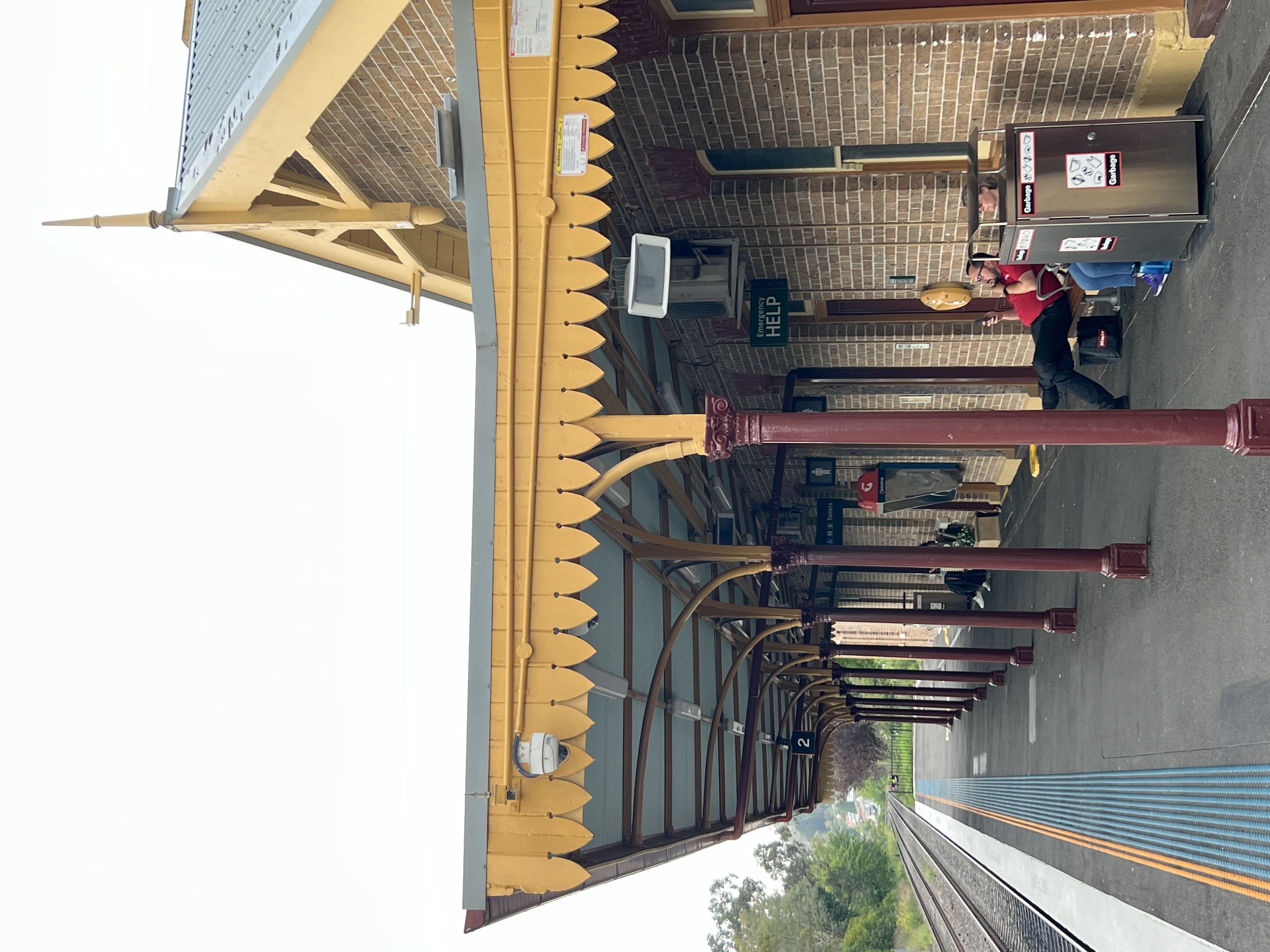
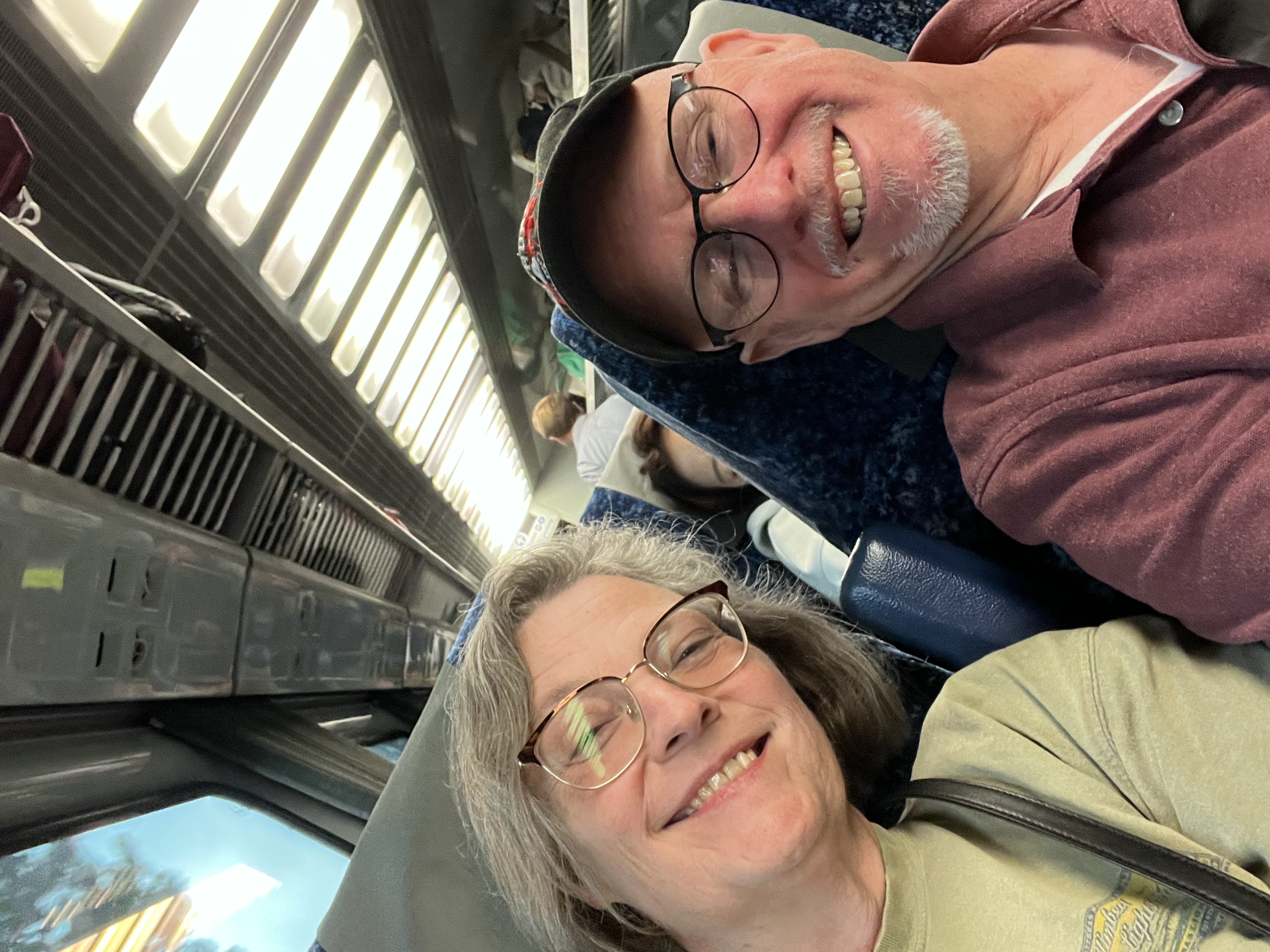
Where the U.S. has the dying remnants of Amtrak for nostalgia buffs, Australia also has a fantastic and highly useful intercity train system. If I was inclined to do so, I could get to Canberra or Newcastle from Sydney by trains that run frequently and consistently. It stuns most Australians to hear there is no viable train option between Greenville, South Carolina, and Atlanta (a 3-hour drive away) or Charlotte (a 1.5-hour drive.) When I’m in my Greenville home, it occasionally makes more sense for me to fly from Atlanta than from the (very good) Greenville-Spartanburg International Airport. I should be able to hop a regional train that runs from Greenville straight to ATL. Instead, I have to rent a car, which means I’m now a plus-one on an already choked Interstate 285.
America’s reasons for its antipathy toward public transportation are easy to enumerate and complex to confront. It’s a toxic mix of lobbying by the auto industry and Big Oil, NIMBYism, and yeah, racism. For too many Americans, public transportation is something for other people. And that’s a shame. Imagine, for example, how much better it would be for young people to get their financial feet on the ground without the thousands of dollars a year owning a car requires. It’s very hard to explain to people from elsewhere in the world that, in most of America, owning a car isn’t optional. It’s mandatory, at least if you want to actually have a job. And the first several thousand dollars a year of the income from that job … goes to own and maintain your car. It’s a vicious circle.
At some point soon, I’ll be back in the U.S. I’ll be back behind the wheel, which is perhaps where I feel most at home. I’m going to enjoy it immensely when I’m whipping around back roads, and I’m going to hate it when I’m sitting motionless on I-85 making a routine trip from my home to somewhere. And I’ll fondly remember when I had the option to leave the driving to someone else.
Disclosure: I’ve only been to the airports in Phoenix and Salt Lake City, so, yeah, I can’t say I’ve “been” either place. I’ve certainly not heard about the awesome public transportation infrastructure in either of those cities. So I stand by the statement. ↩