Sounds Better as a Song: “The Wild One”
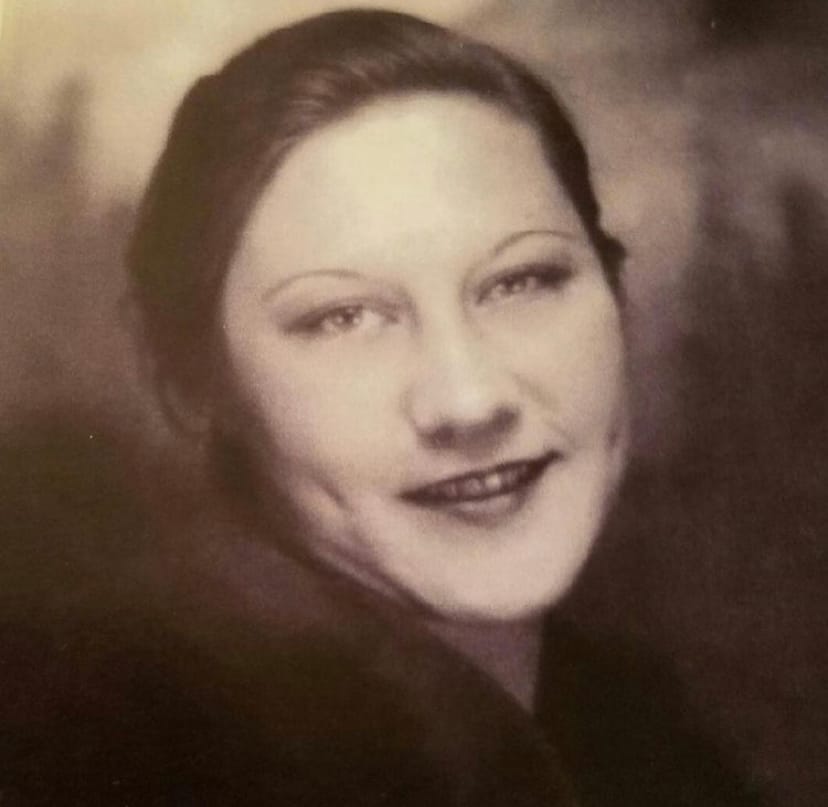
I like to tell stories. Every once in a while, I tell the stories with music and stuff. This is one in an occasional series called “Sounds Better As a Song,” in which I share the story that inspired a song I made up.
I had seen the pictures of my paternal grandmother’s childhood. They were black-and-white photographs of barefoot kids, hard-bitten parents and an old truck with a bedroll strapped to the top and cooking utensils hanging from the grille and every other possession tied to the running boards.
“This was home,” my grandma, then a very old woman, would tell me when we looked at those pictures of her as a child. “We lived in a lot of different houses, but that truck was home.”
This was pretty much what I knew of that branch of my family tree: Their surname was Pike and they were itinerant farmers in Texas and Oklahoma.
In May 2016, I climbed into a genealogy rabbit hole (which is a different, unrelated story). I signed up for ancestry.com and started building out the Pike family tree.
I started with my grandma’s birth name, Ruby, and her 1921 birth date. Like database-driven magic, the rest of the story started filling in. Names of familiar great aunts and uncles started appearing: Charles, Lonnie Joe (who was known as LJ), Laura (who? Oh, yeah, she was Bootsie to us), Marian (with an equal number of references to “Marian” and “Marion” so I still don’t know how it was spelled), and so on. Four girls, four boys, which is what I knew of my grandmother’s childhood.
I eagerly clicked “Save” on every piece of information. I was able to track the Pike family’s movements around east Texas, to a migrant worker camp on the site of what is now Dallas Love Field, up into Oklahoma and back down to a place called Post, which is where my grandmother met my grandfather in the late 1930s. Like connecting dots or assembling a jigsaw puzzle, a familiar image started to form. It was an image of a family wracked by the Great Depression, a family for which my grandmother, the oldest female child, quit school at 11 to take the job of raising the rest of her siblings while her parents worked.
And then I discovered a name and date of birth I didn’t know.
My grandmother had an older sister. She was named Lutie Mae. Lutie Mae was born in 1916. Five years before my grandmother, two years before the oldest brother Grady, who my grandmother revered.
“Oh, how sad,” I thought. “Lutie Mae must have died as a baby.” Back in those days, if you had more than three or four children, there was as good a chance as not that you’d lose one. That would explain why I had never heard about her. I clicked to verify.
Click-click-click … hm. Lutie Mae did die young, but not as a baby. She died at age 22, in 1938.
Click-click-click … in a car accident. How sad.
Click-click-click … In Chicago.
(Sound of mouse dropping to floor.)
Wait, what?
To my knowledge up to that point, no one of that side of my family during that time period had ever ventured north of Tulsa. The Pikes were not adventurers. They didn’t Grapes-of-Wrath their way out to California. They stuck it out in Texas and Oklahoma, hanging wet curtains in the windows to keep out the dust and picking up the scraps of scarce work left behind by the Okies. How in the world did my great aunt Lutie Mae, who nobody in my family EVER talked about, wind up in Chicago? How was this not a story my family told at every turn?
Because there had to be a story there.
Sister
My great-aunt Zola is the last remaining person of that generation of my family. She’s 82 now and very vibrant, and she helped me fill in some of the details when I asked her about her late sister-in-law.
“Oh, Lutie Mae,” Zola said, with a faint smile. “Your grandma called her The Wild One.”
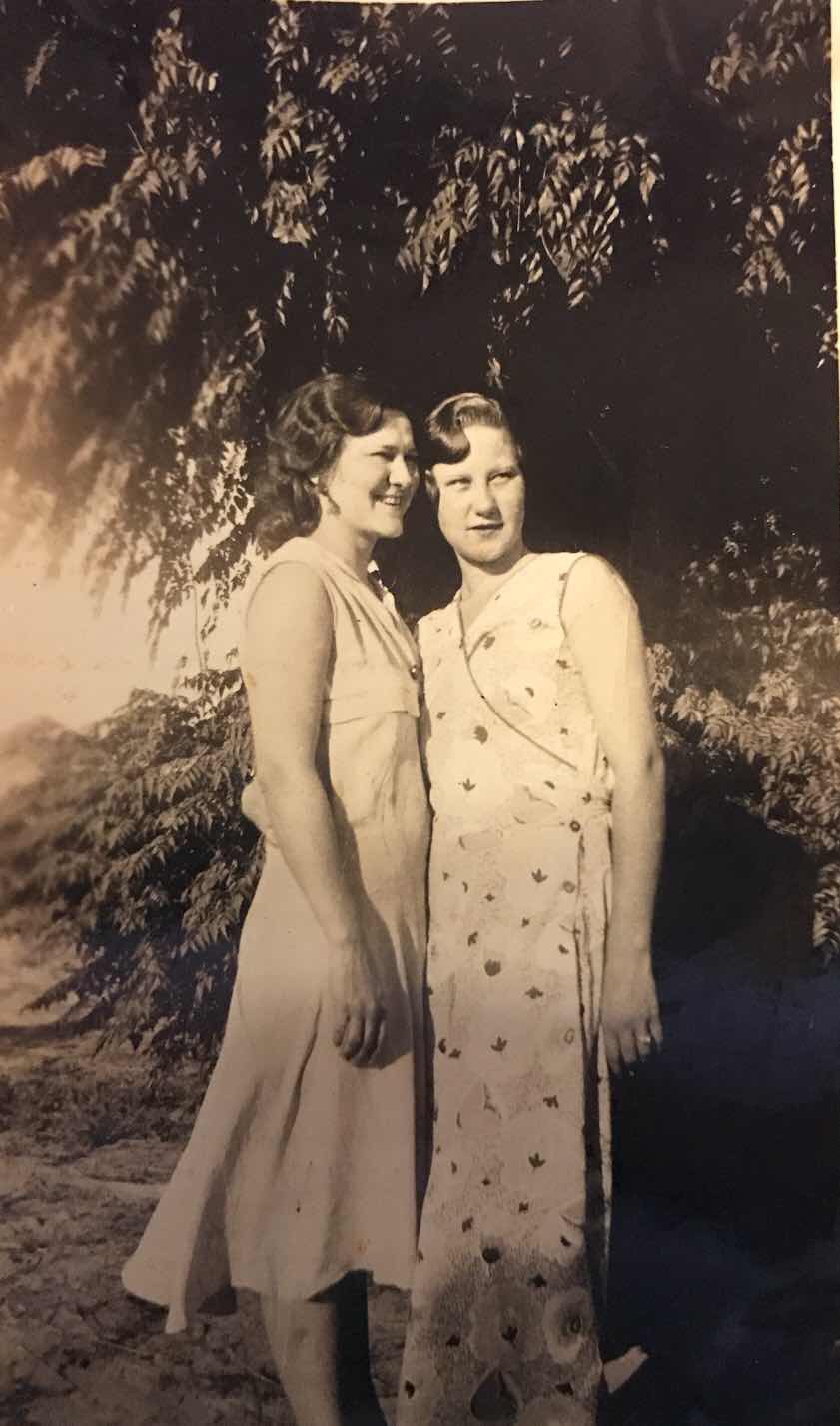
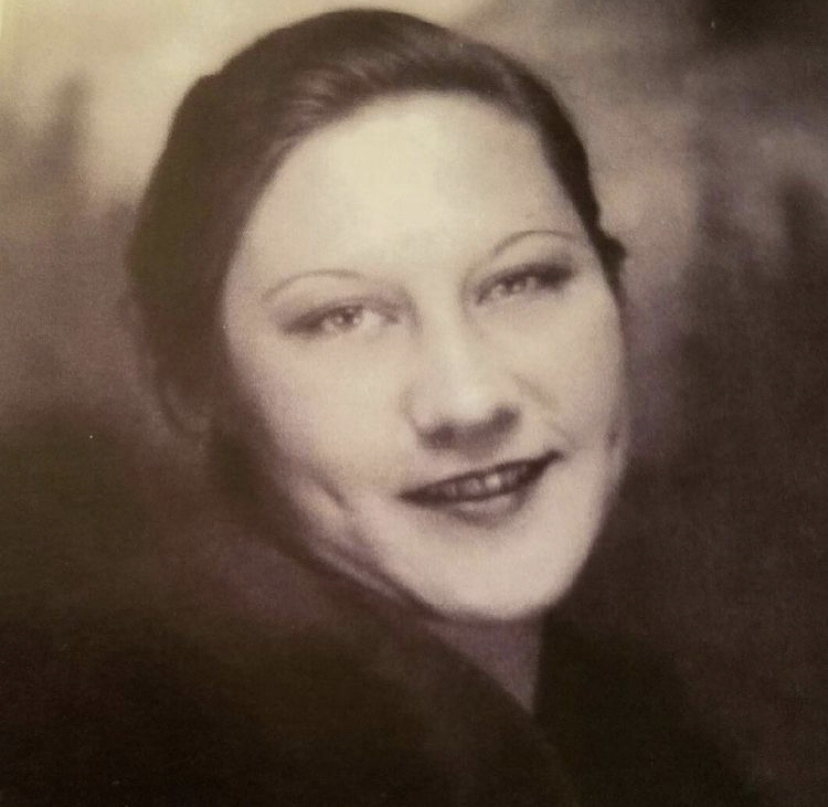
Zola says Lutie Mae was known by her family simply as “Sister.” And it was true nobody talked about her much. But Zola knew a few stories, backed up only by the memories of her husband, my great-uncle Charles, who would have been 11 when Lutie Mae died.
Sister used to bribe her little brothers with nickels to say curse words around their parents. Sister once rode a motorcycle by herself from Chicago to rural West Texas and back. (I have a hard time believing this one, given that it would have at the time involved an open-air journey of at least a few days along primitive highways, but, maybe it happened?) The cryptic story fragments, with no more detail than I just wrote, sketched the picture of a young woman who was mischievous and fun-loving.
Sister also had some big dreams.
Lutie Mae wanted to be a “torch singer.” Those were Zola’s exact, very specific words. “She told everybody she wanted to be a torch singer.”
What I knew of the Pike family was country and bluegrass and gospel and red dirt. “Torch singer” and “Chicago” didn’t compute at all.
I emailed my oldest uncle, who also is 82 now. I asked him what he knew of his aunt Lutie Mae. He, in so many words, replied: “Nothing.”
So I clicked further, virtually immersing myself into Depression Era Chicago.
Her kind of town
This much is commonly known: Capone, Dillinger, all those guys, they ran the place over the barrel of a tommy gun during Prohibition. After the beer taps re-opened legally in 1933, the criminal mobs found other rackets — running numbers, pimping, dice games, possibly supplying opium dens and cocaine parties and trafficking what was then commonly spelled “marihuana.” Chicago’s position as a midwestern crossroads underpinned a vibrant and violent underworld.
All this was a long, long way from the dirt of the Dust Bowl, in which the criminal antiheroes were Bonnie and Clyde. My grandmother, her parents and her siblings were fending for themselves, moving from town to town looking for work and sustenance. Chicago, that toddlin’ town, might as well have been on another planet.
My great-grandparents were not of a generation that told its children to “Follow your dreams.” They told their children, “Don’t get above your raisin’.”
They were told they were to be seen and not heard. They were told to fear God and follow the rules.
Lutie Mae, best I can tell, was having none of that.
I kept click-click-clicking, digging through all the public records I could find. Lutie Mae quit school after eighth grade, like pretty much everybody else did in 1930. Lutie Mae got married a few months before her 20th birthday. She and her husband Bill Parker apparently eloped from their families’ homes in Sand Springs, Oklahoma, to Fort Smith, Arkansas, on February 1, 1936. They came back to Oklahoma and Bill Parker presumably accompanied his wife and the rest of the Pikes as the family migrated to Post, Texas, then a town of about 3,500, south of Lubbock and close to nowhere.
Not long after that, Lutie Mae left her husband behind and ran off to Chicago, nearly 1,200 miles and a whole world away.
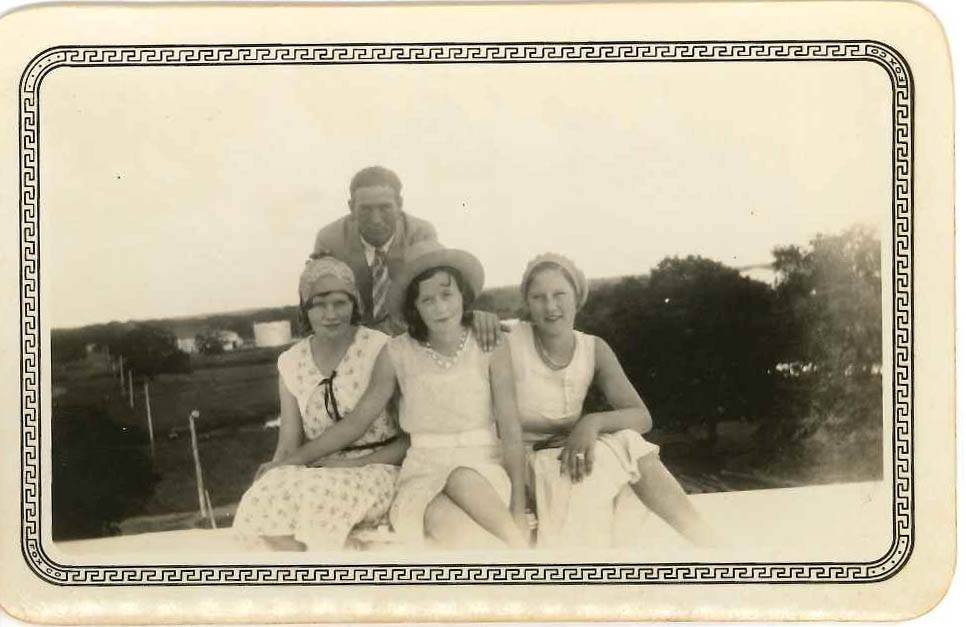
I’ve pieced the story together from there from newspaper accounts of the crash. When Lutie Mae arrived in Chicago, she moved in with her ex-husband’s sister, Mary Alice. The young women, both divorcees, lived together in an apartment on Greenwood Avenue, deep in the south side, what Jim Croce would later tell us was “the baddest part of town.”
Lutie Mae and Mary Alice got jobs at a nightclub called Club Elgin in Summit, Illinois, a working-class village in the western suburbs several miles from their apartment. Was she a waitress? Did she sing? Was she a dancer? I’ll never know for sure, but it’s likely she at least saw it as a foot in the door toward her torch-singer dream.
The crash
In the wee hours of September 4, 1938, Lutie Mae, Mary Alice, one other woman and three men were in a car speeding eastward down West 63rd Street, presumably heading from Summit toward that southside apartment. The driver, a young man named Allen Block, lost control of the vehicle. It crashed into a light pole at 2535 West 63rd Street, near the intersection of 63rd and Maplewood Avenue. The other five in the car survived. Lutie Mae died at a nearby hospital of serious head injuries.
Chicago newspaper readers woke up on that Labor Day Monday to read a sensational story about a young woman’s life tragically cut short after a night of revelry.
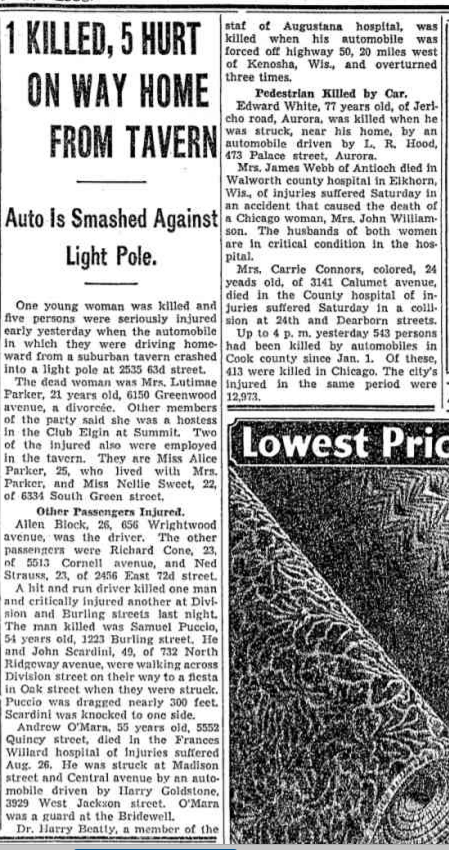
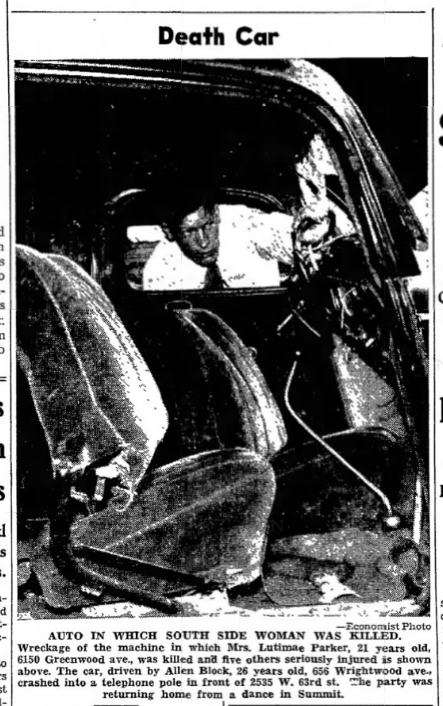
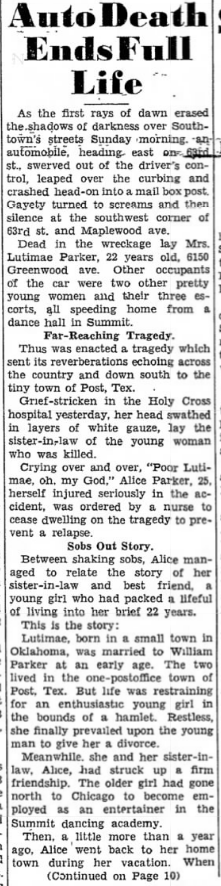
Lutie Mae’s death certificate identified her occupation as “entertainer.” She may have been a poor girl from red dirt, but she is immortalized by the Cook County Medical Examiner’s office as an “entertainer.”
Newspaper accounts said that her ex-husband Bill rode the train all the way from Post, Texas, to Chicago to accompany his ex-wife’s casket back to Post. Twelve hundred miles there, 1,200 miles back.
Lutie Mae was laid to rest in the red dirt she thought she had left behind.
Coda
I’ve spent significant time trying to find what became of the other five in the car. The only notable thing I could determine was that the ages of the men were all wrong in the newspapers.1 Perhaps they all lied to the cops. Perhaps, as I later learned some in the family speculated, they were connected to the Mob. I’ll likely never know.
According to the Chicago Tribune, the Club Elgin was shut down in 1941 as an “immoral resort.” Maybe Lutie Mae saw the club as a foot in the door toward her torch-singer dream. It’s equally likely she and Mary Alice might have been involved in, shall we say, vice.
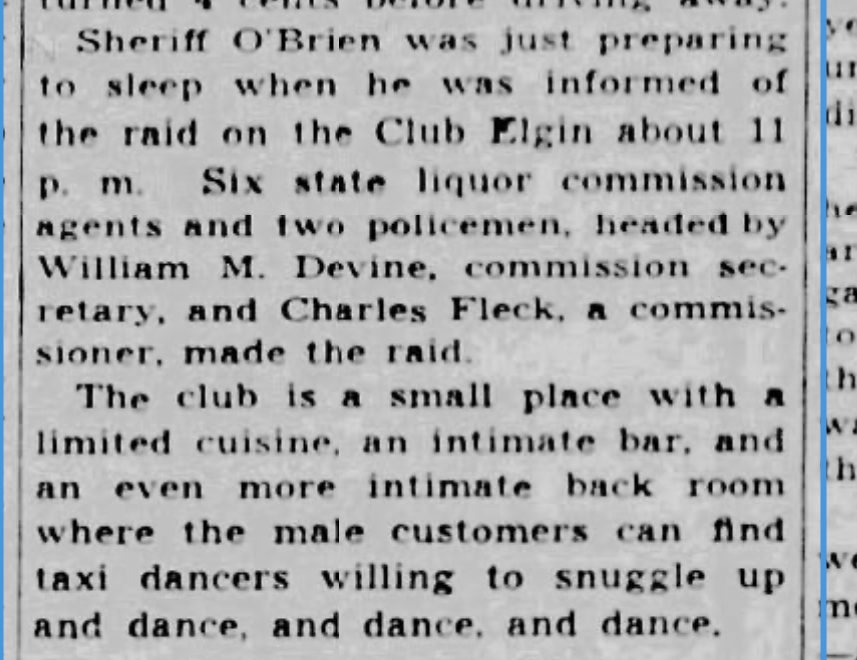
I don’t know much. But I’d like to believe that my great aunt Lutie Mae died much as she apparently lived: At top speed and full volume, fueled by rebel-child spirit.
For her, moving to Chicago was a bigger leap than moving to Australia was for me. As that newspaper article read, “she packed a lifeful of living into her brief 22 years.” What better way to be remembered than that?
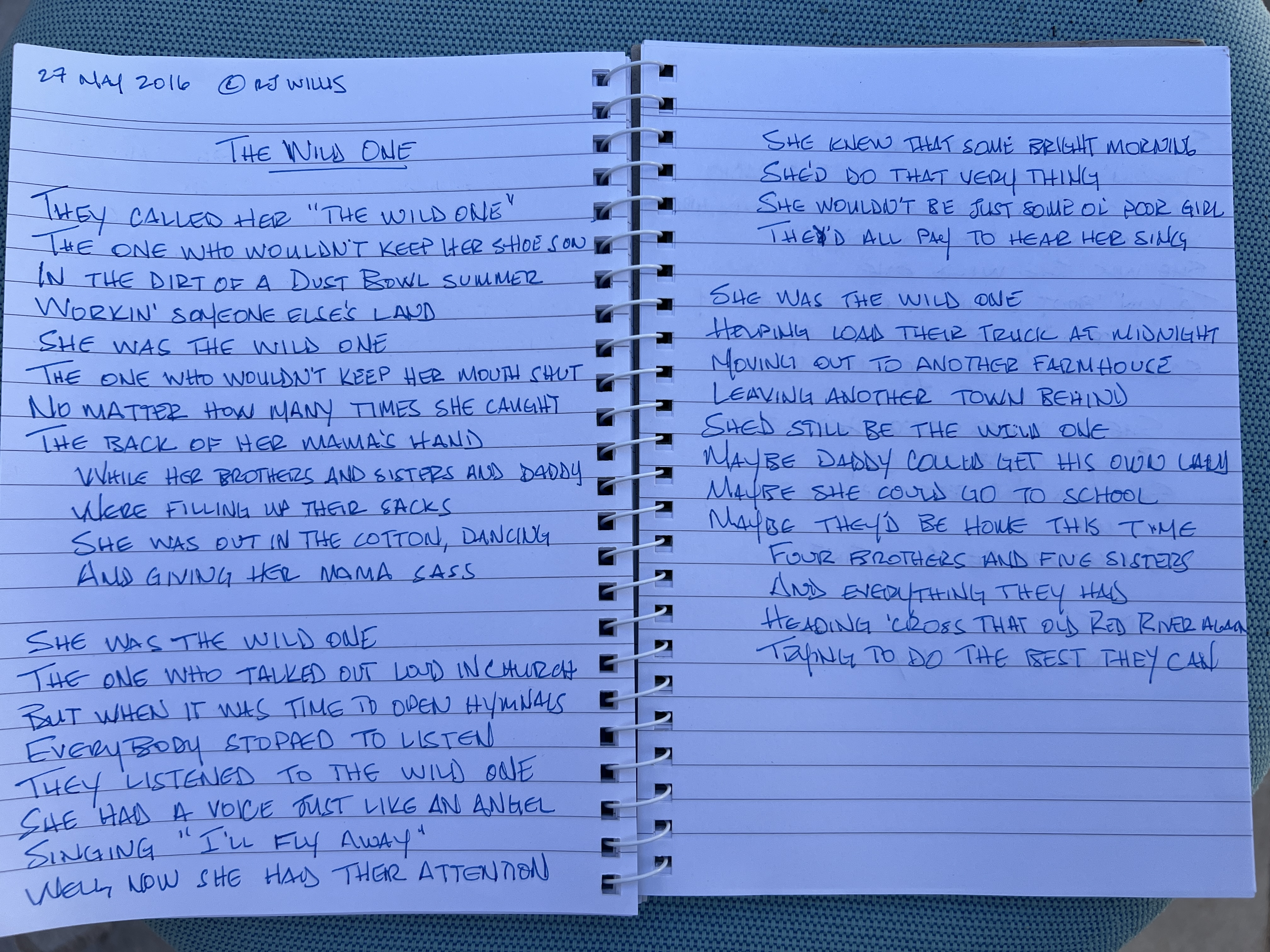
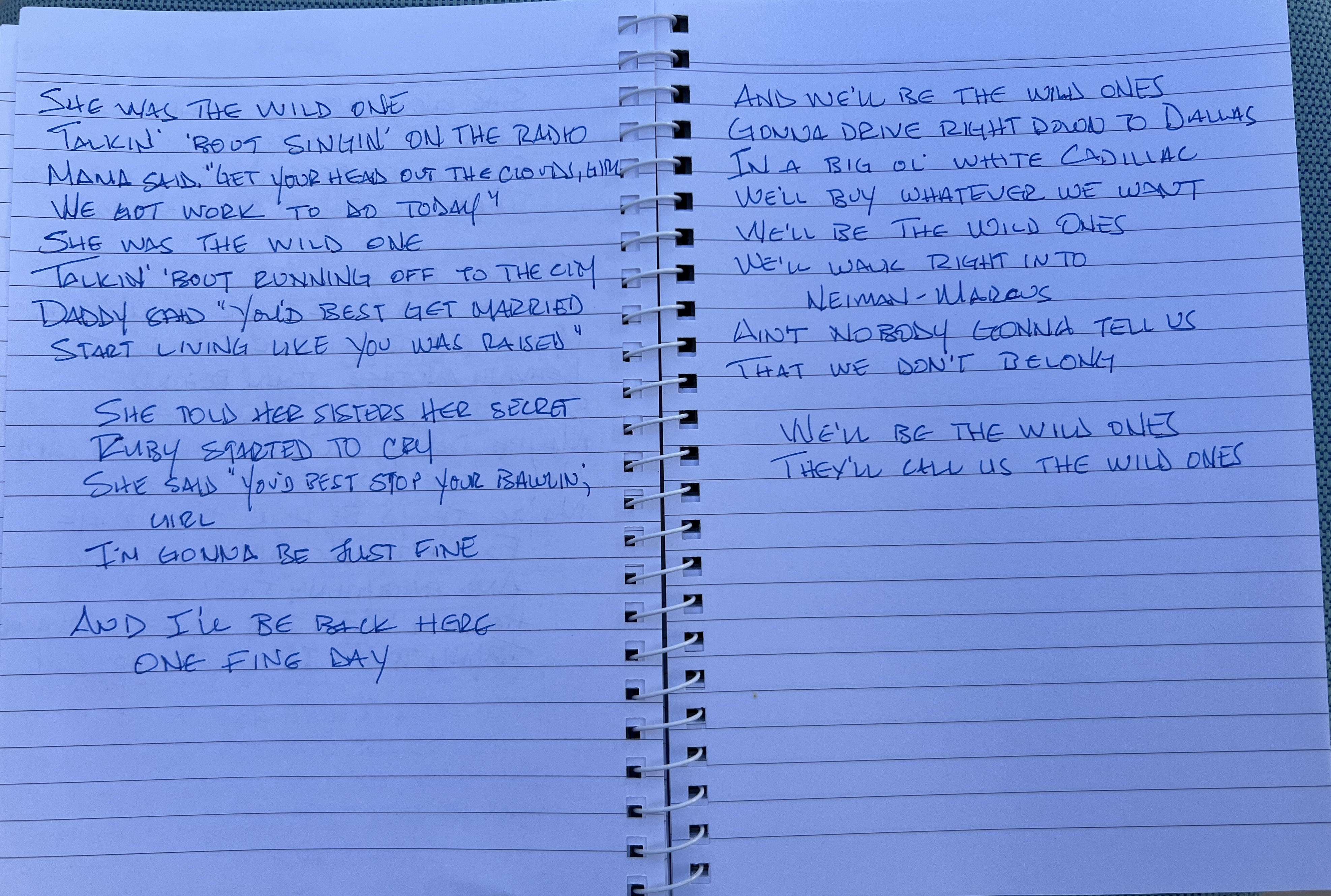
It only seemed natural to tell her story in song.
I’ve actually written four songs so far about the story of The Wild One, but this one is the title song, if you will. I wrote this song a few days after I learned of her existence, a few days before what would have been her 100th birthday.
My family never talked about Sister. I sing about her in front of people I don’t know every chance I get.
She deserves to be remembered.
With modern genealogy tools, American men of that era are quite easy to track. Any man who was 18 or older apparently had to fill out a draft card on October 16, 1940. I found the draft cards of two of the three men who were in the car with Lutie Mae that night. The addresses lined up, but their dates of birth did not. I was able to find no record at all of Allen Block after that night, which makes me wonder if he actually gave a false name. I’ve tried several alternate spellings to no avail. ↩